You're The Bottleneck. Your AI Agents Are Waiting On You.
Your agent stack is fast. Your inbox isn't. The 3-tier autonomy fix for operators stuck approving every single agent action.
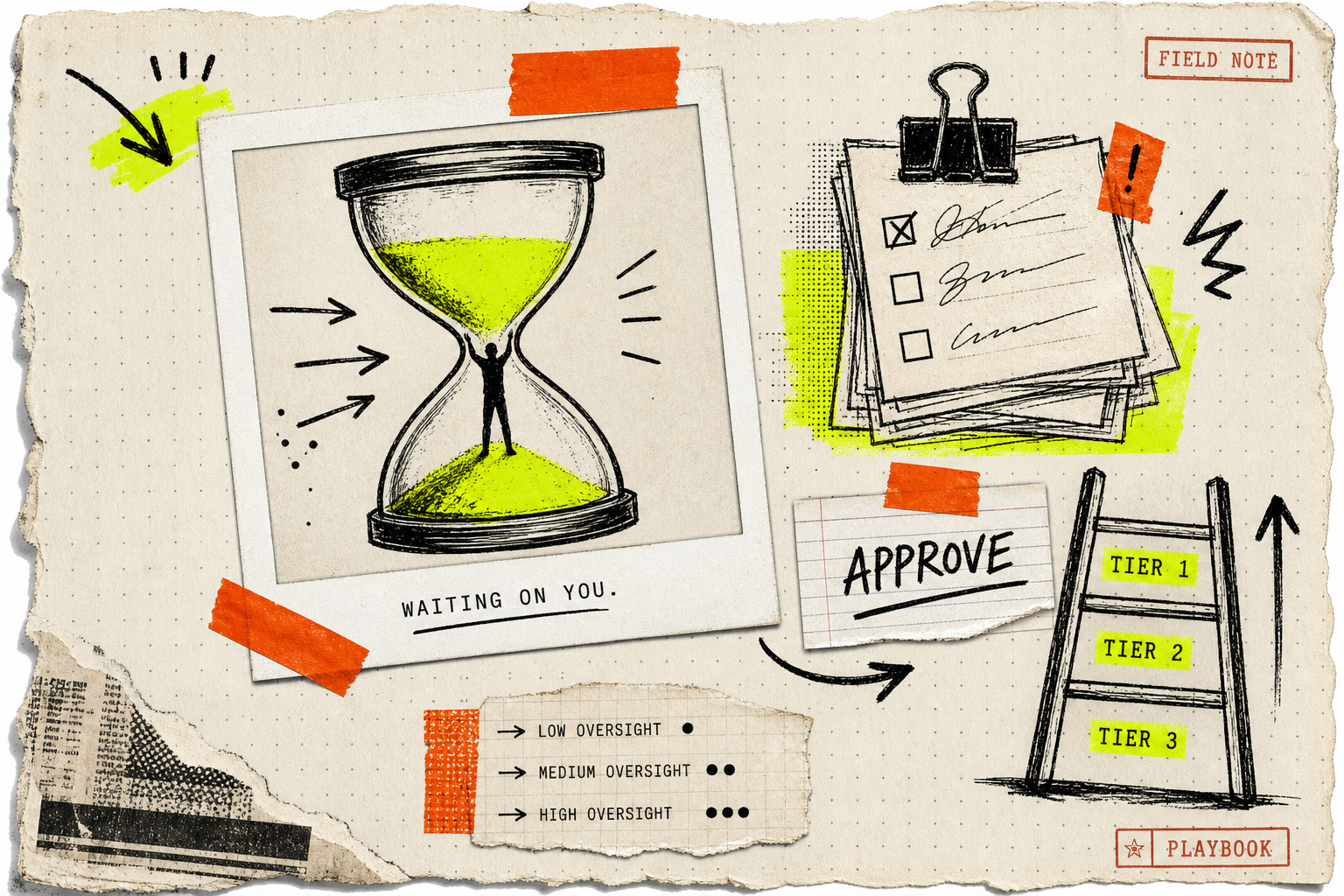
Your agent stack is fast. Your inbox isn't.
That's the whole problem. You bought — or built — a system that can send 40 outreach emails, categorize 200 transactions, or answer 90 customer messages an hour. Then you slotted yourself in as the approval queue. Now the agent runs for 6 seconds, waits 6 hours, runs for 6 seconds, waits 6 hours. The bottleneck isn't Claude, or n8n, or your prompt. It's you.
I've been seeing this pattern hit almost every operator I talk to who's past the "cool demo" stage. And the data backs it up. MIT's State of AI in Business report this year found that 95% of enterprise generative-AI pilots deliver zero measurable P&L impact[1]. RAND and Gartner put the enterprise AI failure rate at 70–85%, with 33.8% abandoned before production and another 28.4% making it to production but delivering no value[2]. The consensus lately isn't that the models are broken. It's that the humans wrapping the models are broken.
Or more specifically: their approval loop is.
The pattern I keep seeing
The most common shape looks like this. Owner buys an agent workflow — usually cold outreach, support triage, or content review. Everything is exciting for a week. Then somebody notices the agent almost sent a slightly weird email. So an approval step goes in. "Just make sure everything routes through me before it fires."
Six months in, the operator is spending 90 minutes a day clicking "approve" on things they never actually read. The agent is now slower than the manual process it replaced. And the ROI slide from the demo is a lie.
There's a good phrase for this floating around the agent-dev community — the human in the loop is still the bottleneck[3]. Same words, different meaning — and the difference is whether the human is checking outputs the agent flagged as uncertain, or every single output regardless of risk.
Redis put a number on it earlier this year: in agent systems with a blocking human review step, the average agent action latency is dominated not by inference time, but by unpredictable human response time — which can stretch from seconds to hours to days[4]. Your model responds in 900ms. Your reviewer responds in 4.2 hours. That's not automation. That's a slower manual workflow with a subscription fee.
Why it happens (and it's not stupidity)
Two forces push operators into this trap.
One: the demo is always synchronous. Every YouTube walkthrough shows the human clicking "approve" between each step because it makes the video comprehensible. So when you build your own, you copy the pattern. You don't realize the demo is optimized for legibility, not throughput.
Two: the fear is real. Nobody wants their agent to blast 400 customers with a hallucinated apology, or refund $12K to a fraud ring, or auto-book a $9,000 hotel because the LLM misread "quote please" as "confirm booking." Those stories exist. Anthropic's own experiment running a shop with an agent produced actual comedy — the model hired a "man in a blue blazer" as its business plan[5]. Skepticism is warranted.
But the mistake isn't the caution. It's applying the same caution to every action, regardless of whether the action is reversible, low-stakes, or already inside a safe boundary.
What actually works: tiered autonomy
The teams shipping agents that stay shipped follow the same pattern. It goes by different names — "supervised autonomy," "risk-tiered escalation," "autonomy tiers" — but they mean the same thing[6][7]. Not every action deserves a human. Only the risky ones do.
Here's the frame I use when I audit an operator's agent workflow. Every action the agent can take gets classified into one of three tiers:
Tier 1 — Auto-run. Actions that are reversible, low-dollar, or already inside a hard-coded boundary. Categorizing an incoming email as "billing question." Adding a Shopify order to a spreadsheet. Sending a templated status update. The agent runs. You never touch it. You review the audit log weekly, not in real time.
Tier 2 — Async approval. Actions that need human sign-off but not right now. Drafting a cold email to a new prospect. Marking a refund up to $200. Posting a social reply. The agent proposes the action, writes the full draft, and sends you a notification. You approve in a batch — 15 minutes at 4pm — and the agent fires everything in the queue. Latency goes up, throughput stays high.
Tier 3 — Blocking approval. Irreversible or high-dollar actions. Sending money. Signing contracts. Deleting records. Anything over a set threshold ($X). The agent stops mid-workflow and waits for you. This is the only place a blocking human is worth the cost.
Most agent stacks I see have exactly one tier: Tier 3 for everything. That's the whole failure mode.
The audit questions that fix it
If your agent is running slower than it should — meaning your human review is now the P90 latency in your whole pipeline — sit down and ask, for every action the agent can take:
- Is this reversible in under 60 seconds? If yes → Tier 1 candidate.
- What's the worst-case dollar amount if this goes wrong? Under $500 → probably Tier 2. Over $5K → Tier 3, no negotiation.
- Do I actually read what I'm approving? If no → you're not adding safety, you're adding latency. Move it to Tier 2 (batched async) so you at least read it in a focused block.
- How often does this action fail in a way a human would catch but the agent wouldn't? If under 1 in 50 → automate it with logging and audit weekly. If over 1 in 10 → the agent isn't ready; fix the prompt or the model, don't stitch a human onto a broken system.
Two more that separate real from theater: is your approval queue in the same tool the agent lives in? If your agent runs in n8n but your approvals land in your regular email inbox, you're context-switching every time. Move approvals into a Slack channel, a Telegram bot, or a lightweight dashboard where a swipe or a /y is the whole action. And: is there any feedback path from your rejection back into the agent's behavior? If you reject 8 emails today and the agent sends the same broken template tomorrow, you're not training anything. You're just filtering. That's exhausting and it means the pilot won't survive Q3.
The version I'd build
If a $3–15M ops team came to me tomorrow with an agent stack that's stuck in approval hell, this is what I'd rebuild in a week. One tool boundary — an n8n or Temporal workflow doing the orchestration. One risk classifier — a small Claude call at the top of every action that outputs tier: 1 | 2 | 3 with a one-line reason, logged to a table. Three physical paths after that: Tier 1 runs, Tier 2 lands in a Slack #agent-approvals channel with action buttons batched hourly, Tier 3 pages the operator in Telegram with a full context card. Nightly digest of every Tier 1 action executed, so trust builds through visibility, not through gatekeeping. And a rejection callback that appends every "no" into a growing few-shot list the classifier reads on the next run.
Six weeks in, most operators using this pattern find they've moved 70–80% of actions to Tier 1 and stopped touching them. That's the moment the agent stack starts actually feeling like leverage instead of a second job.
If your agent stack is fast in demos and slow in real life, the fix isn't a better model. It's cutting yourself out of the paths you shouldn't be in. That's what the audit call is for — 30 minutes, I look at your workflow, I tell you which actions belong in which tier, and you leave knowing exactly what to unblock this week. Book it at zerocam.studio.
-
The GenAI Divide: State of AI in Business 2025↩
95% of enterprise generative-AI pilots deliver zero measurable P&L impact.
-
Why 90% of Enterprise AI Implementations Fail (2026)↩
70-85% enterprise AI failure rate; 33.8% abandoned before production, 28.4% ship with no value.
-
The Human in the Loop Is Still the Bottleneck↩
Human-in-the-loop drifts into human-as-bottleneck when reviewers approve based on descriptions, not diffs.
-
AI Human in the Loop: Production Oversight Patterns↩
Agent action latency is dominated by unpredictable human review time, not inference.
-
Project Vend: Anthropic's AI Runs a Shop↩
Anthropic's autonomous shop experiment showed how ungated agents make surreal decisions.
-
Human-in-the-Loop AI Agents: How to Design Approval Workflows↩
Supervised autonomy: agent moves quickly when safe, slows only when it must.
-
Choose a design pattern for your agentic AI system↩
Human-in-the-loop pattern inserts human judgment at critical decision points; async approvals are a documented architectural pattern.
Ready to build your own AI system?
Book a Free Audit Call →Keep Reading
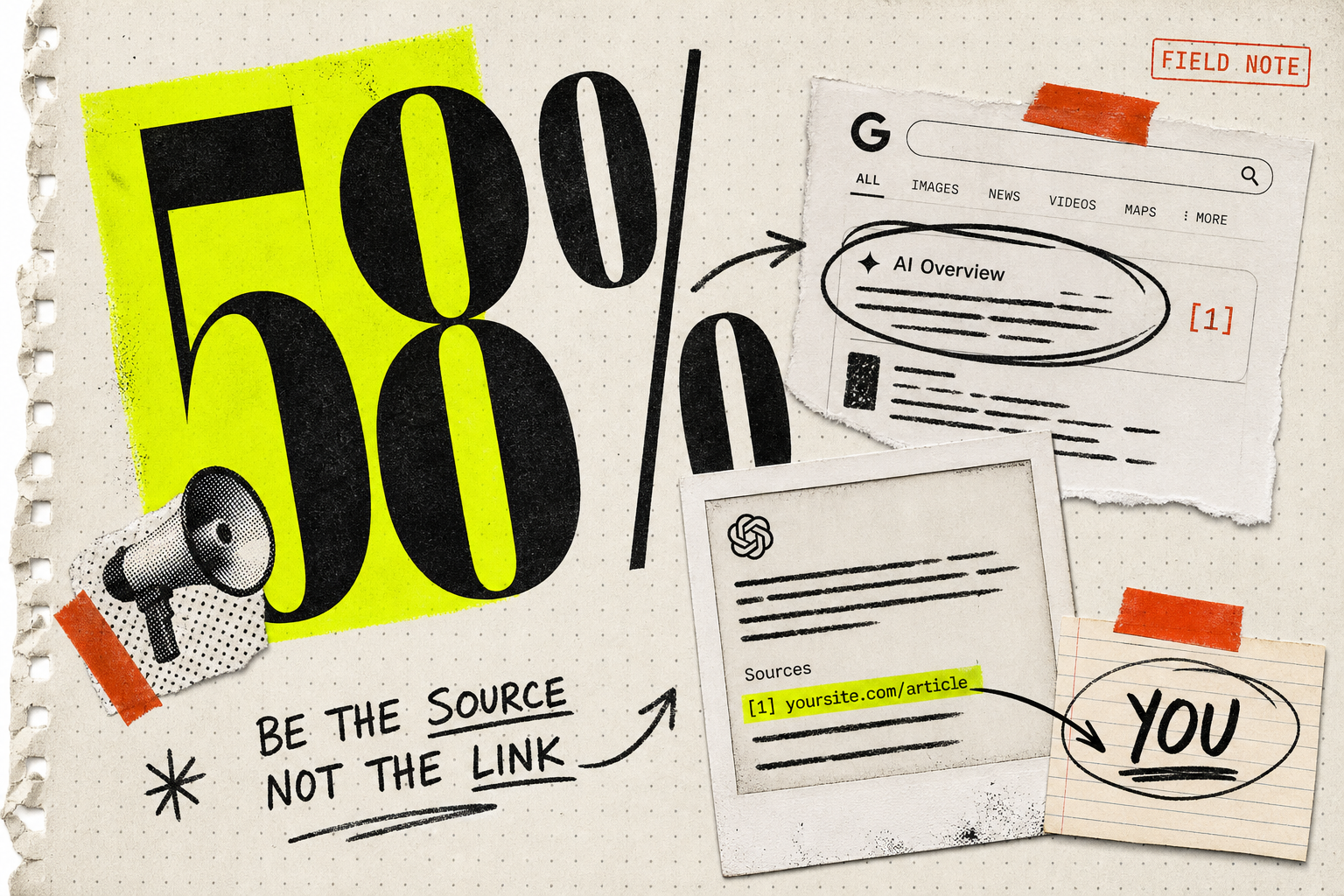
How To Get Cited By ChatGPT And Google AI Overviews
Position-one Google clicks are down 58% because of AI Overviews. The new game is getting cited by ChatGPT and Perplexity. Here's the 5-part playbook.
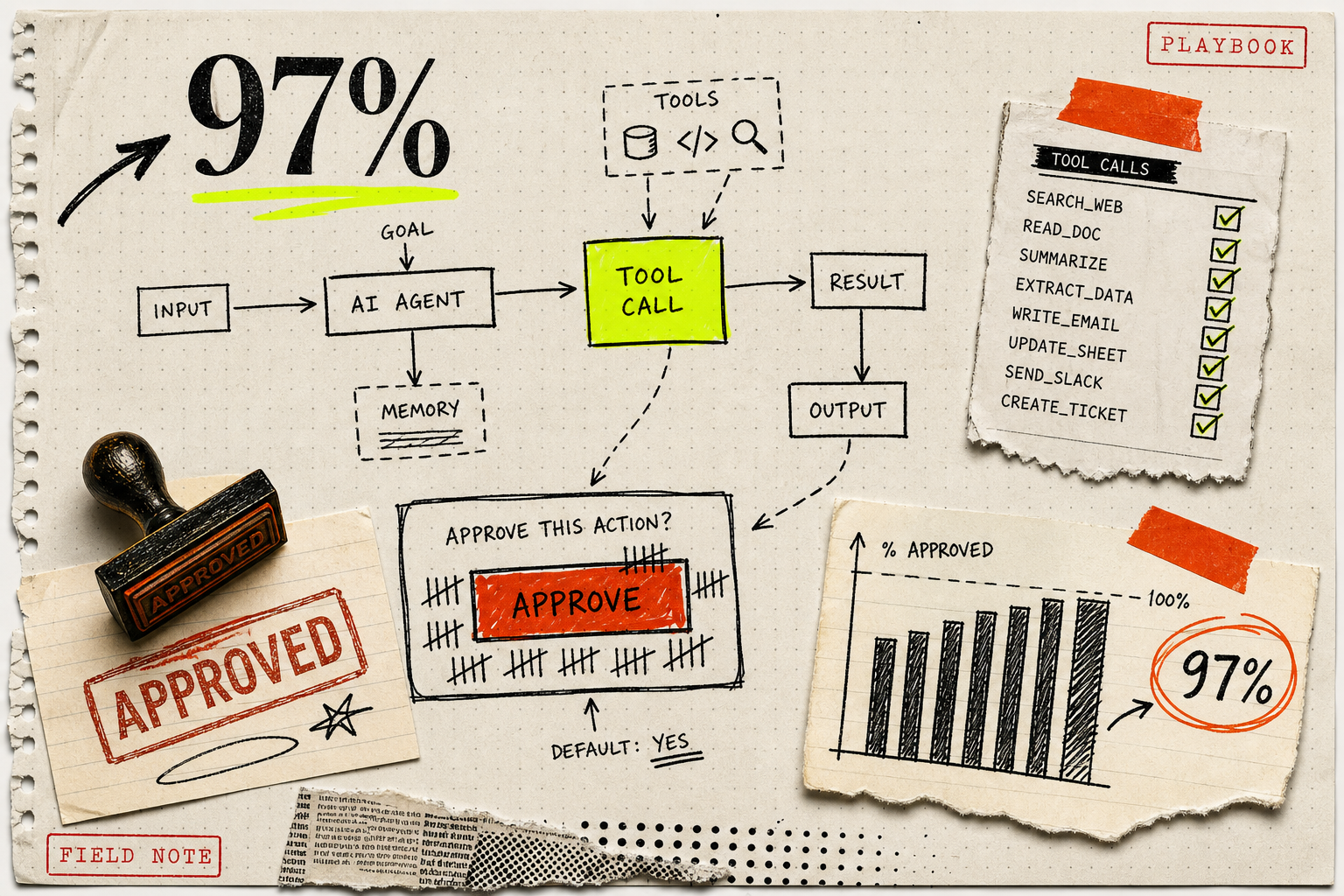
Your Humans Approve 97% Of What The AI Does. That's Not Oversight.
Anthropic just measured it: developers approve 97% of the permission prompts AI agents ask them. Here's how to build oversight that actually works.
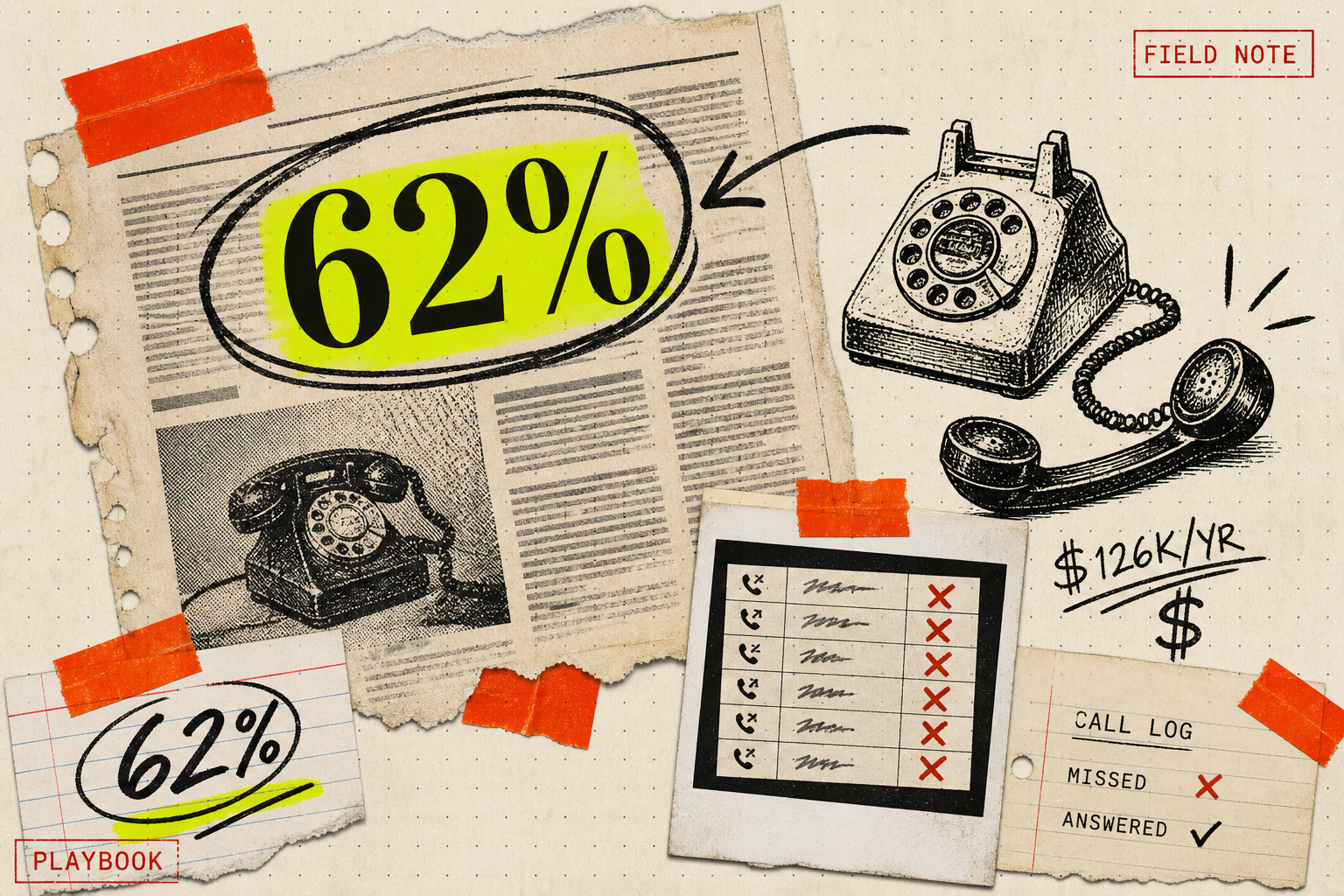
Your Business Misses 62% Of Its Phone Calls. Here's The Fix.
Small businesses miss 62% of inbound calls — a $126K/year leak on average. Here's the AI voice receptionist stack that plugs it, with real costs and a rollout plan.