Your AI Agent Bill Is Out of Control. Here's the Fix.
AI agents burn 50x more tokens than chats. The fix isn't a cheaper model — it's a tighter system. Token budgets, model routing, context pruning, deterministic off-ramps.
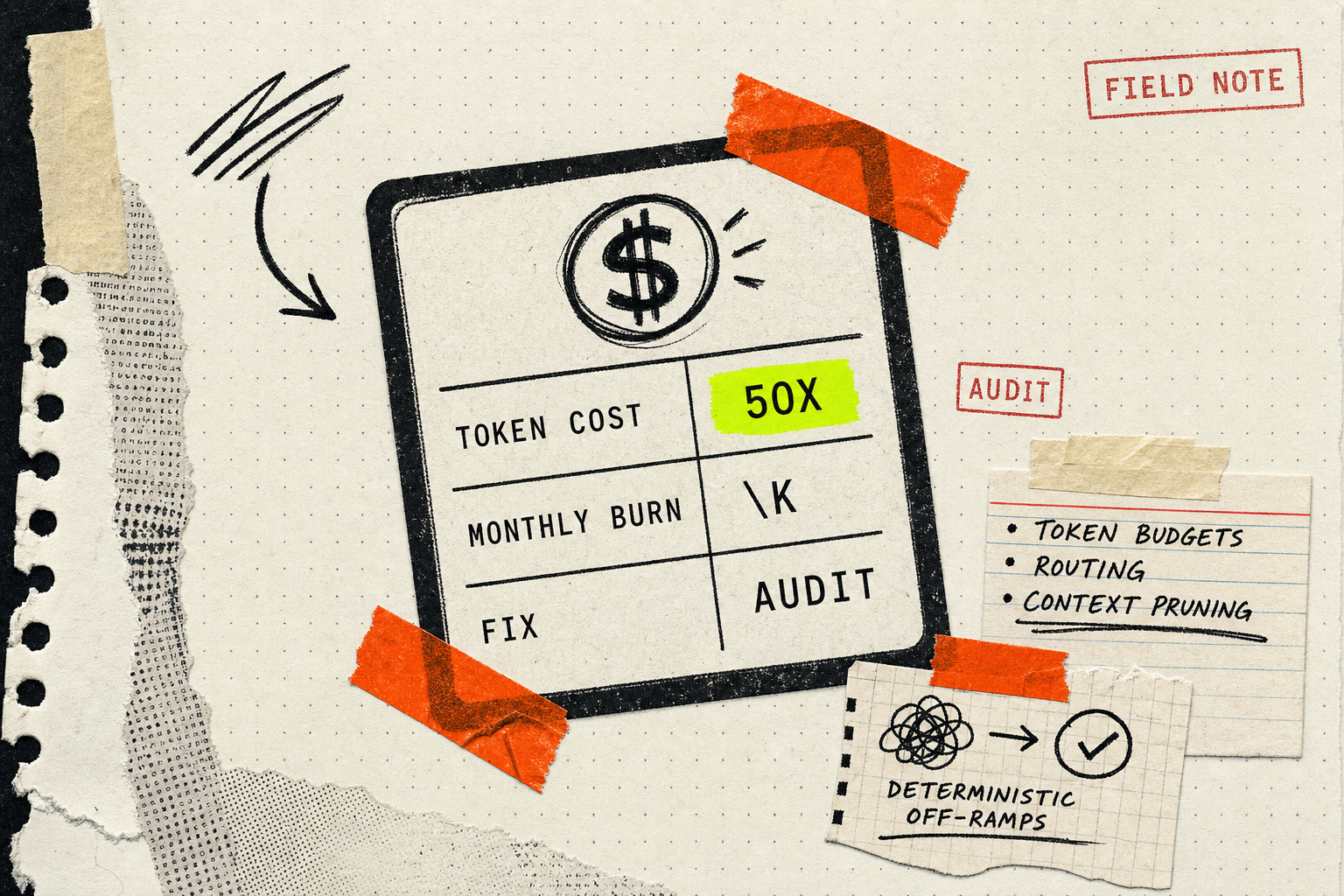
Your AI agent worked great in the demo. Six weeks later, your invoice from Anthropic is a four-figure number you don't want to forward to your CFO.
You're not doing anything wrong. You're running into the actual economics of agentic AI — and most builders are pretending the problem doesn't exist.
It does. Here's what's happening, and the four-part system I use to keep agent costs from eating the business.
The Thing Nobody Told You When You Bought "Agents"
A chat is one round trip. You send 200 tokens, the model sends back 400. Done.
An agent doesn't work like that. An agent reasons, calls tools, reads results, reasons again, calls more tools, and keeps going until it thinks it's done. Each loop pulls the entire growing context back through the model. Tokens compound.
LeanOps measured it directly: a single AI agent task burns roughly 50x the tokens of a comparable chat completion[1]. Stevens Institute pegs an unconstrained coding agent at $5–$8 per task[2]. Anthropic's own documentation puts Claude Code at an average of $6 per developer per day — with the top 10% of users routinely north of $12[3].
Those are the polite numbers. The famous one is this: a consultancy reportedly burned through $500 million in a single month on Claude after rolling agents out across the org without guardrails[4].
You're not at $500M. But you might be at $4K when you budgeted $400.
Why This Isn't Going to Fix Itself
There are three reasons your bill keeps climbing:
- Context bloat. Every tool call adds output to the conversation. By turn 12, the model is reading a 40,000-token transcript on every reasoning step. You're paying input cost on the same context over and over.
- Recursive reasoning. Cheap-looking agents quietly chain calls — agent calls sub-agent, sub-agent calls another tool, each layer doubles the spend. The bill is invisible until the month closes.
- The wrong model on the wrong job. People route everything to the most capable model because it "just works." Opus-class reasoning to extract a phone number from an email is expensive theater.
None of that is the model's fault. It's a system design problem. And system design is fixable.
The Four-Part System I Build for Cost Containment
When I architect an agent for a business that's already burning through their model budget, I apply four layers. Each one cuts cost. Stacked, they typically drop the monthly bill 60–80% without changing what the agent can do[5].
1. Token budget per task
Every agent task gets a hard token ceiling at the orchestration layer — not just a model-level limit. If the agent blows through 80% of its budget, it gets one final "wrap up and report" turn, then it stops.
You don't trust autonomous loops to police themselves. You wrap them.
Token monitoring dashboards alone are reported to cut operational costs by an average of 43% inside 60 days in commerce setups[6]. That's just from making the spend visible. The budget enforcement is on top of that.
2. Model routing, not model defaults
Most "AI agent" stacks send every step through one model. That's the most expensive mistake you can make.
The right pattern: a cheap, fast model handles classification, extraction, formatting, and routing. The expensive model only gets called when the task actually needs reasoning. In a well-designed agent, the expensive model is doing maybe 10–20% of the calls. The rest is handled by something an order of magnitude cheaper.
You're not paying premium prices to summarize an email subject line.
3. Aggressive context pruning
By turn five, the agent doesn't need the full history. It needs the decision from each previous step and the current state. Everything else is waste you're paying input rate on.
Two patterns work:
- Summarize and discard. After every N turns, replace the transcript with a 200-token summary of "what we've done, what we know, what's next."
- Tool result caching. If the agent fetched a customer record on turn 3, don't let it fetch it again on turn 9. Pin it.
Vantage's analysis of agentic coding sessions found that the tasks that move the needle on developer productivity are the same ones that move the needle on cost — because of context growth[6]. Prune or pay.
4. Off-ramp the deterministic parts
This is the one most teams miss.
If an agent is doing the same five-step sequence 80% of the time, those five steps don't belong in the agent. They belong in a regular script that the agent invokes as a single tool call. You get the flexibility of an agent for the 20% of edge cases and the cost profile of code for everything else.
When I audit an agent burning money, this is where the biggest single saving usually lives. People are paying Opus to do what if/else can do.
What This Actually Changes
A real number from a recent engineering writeup: one team's optimization work took a $24,000 monthly bill down to a level that delivered $756,000 in annual savings without changing what the agent did. Sprint velocity unchanged.
That's the gap. Same outcomes. Different system underneath.
The pitch you're getting from most "AI agent" vendors is that the model will figure it out. It won't. The model will burn whatever budget you give it because that's what it's optimized to do — keep reasoning until it's confident.
The job of the system around the model is to be the one with discipline.
If Your Agent Bill Is Currently Scaring You
There's a version of your stack that does the same job for a fraction of the cost. The fix isn't a cheaper model — it's a tighter system: token budgets, model routing, context pruning, and pulling the deterministic work out of the agent loop.
That's the kind of thing I build. Book a 30-minute audit at zerocam.studio — no pitch, just the numbers.
-
Token burn analysis of agentic AI workflows↩
AI agent tasks burn roughly 50x more tokens than chat completions
-
Empirical cost study of autonomous coding agents↩
Unconstrained coding agents run $5-$8 per task
-
Claude Code usage and costs documentation↩
Claude Code averages $6/developer/day; top 10% routinely >$12
-
Consultancy reportedly burned $500M in a single month on Claude↩
Consultancy burned $500M in one month on Claude usage
-
Agent context optimization patterns↩
Context pruning and model routing reduce agent costs 60-80%
-
Cost monitoring patterns for production agents↩
Token monitoring dashboards cut operational costs 43% inside 60 days
Ready to build your own AI system?
Book a Free Audit Call →Keep Reading
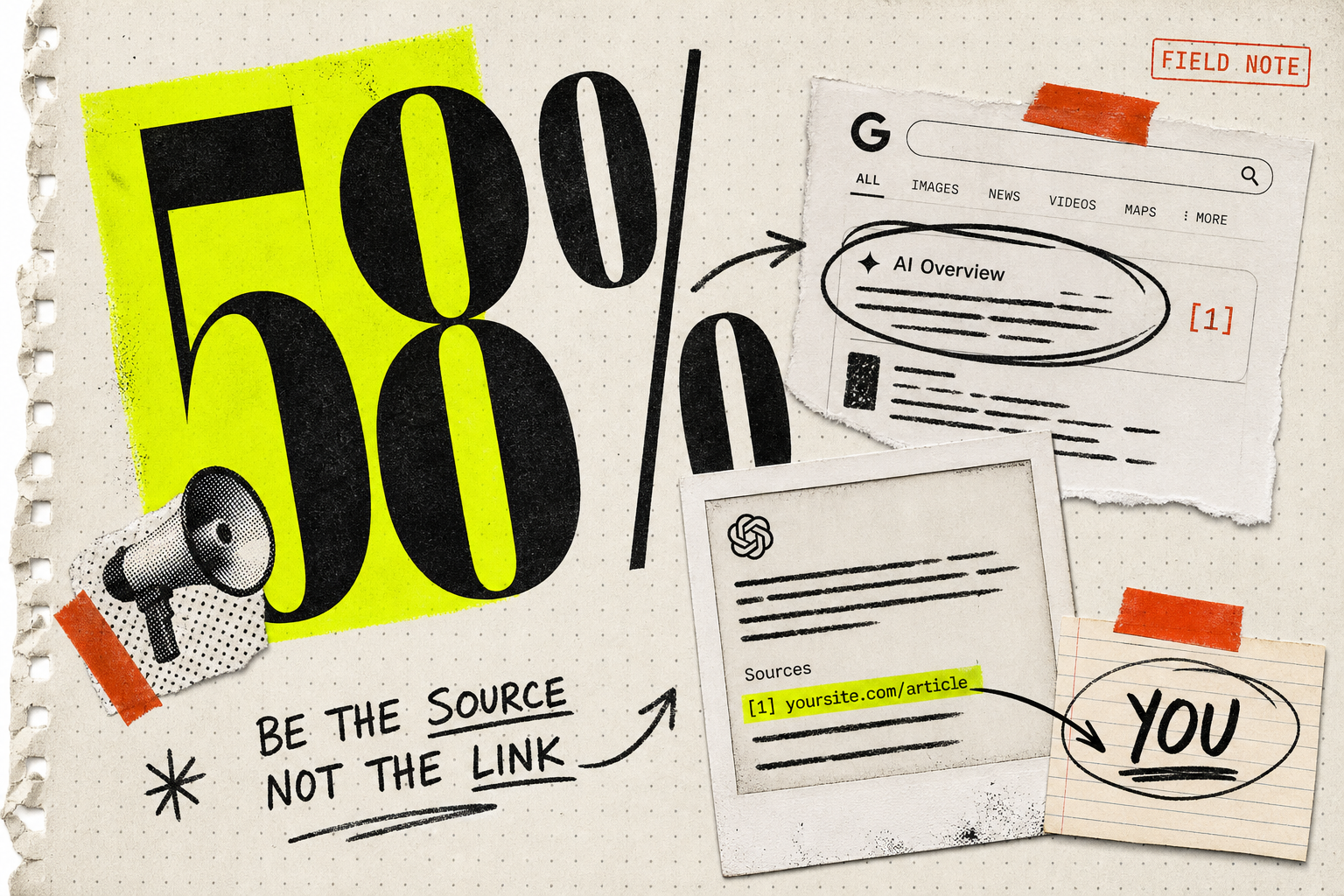
How To Get Cited By ChatGPT And Google AI Overviews
Position-one Google clicks are down 58% because of AI Overviews. The new game is getting cited by ChatGPT and Perplexity. Here's the 5-part playbook.
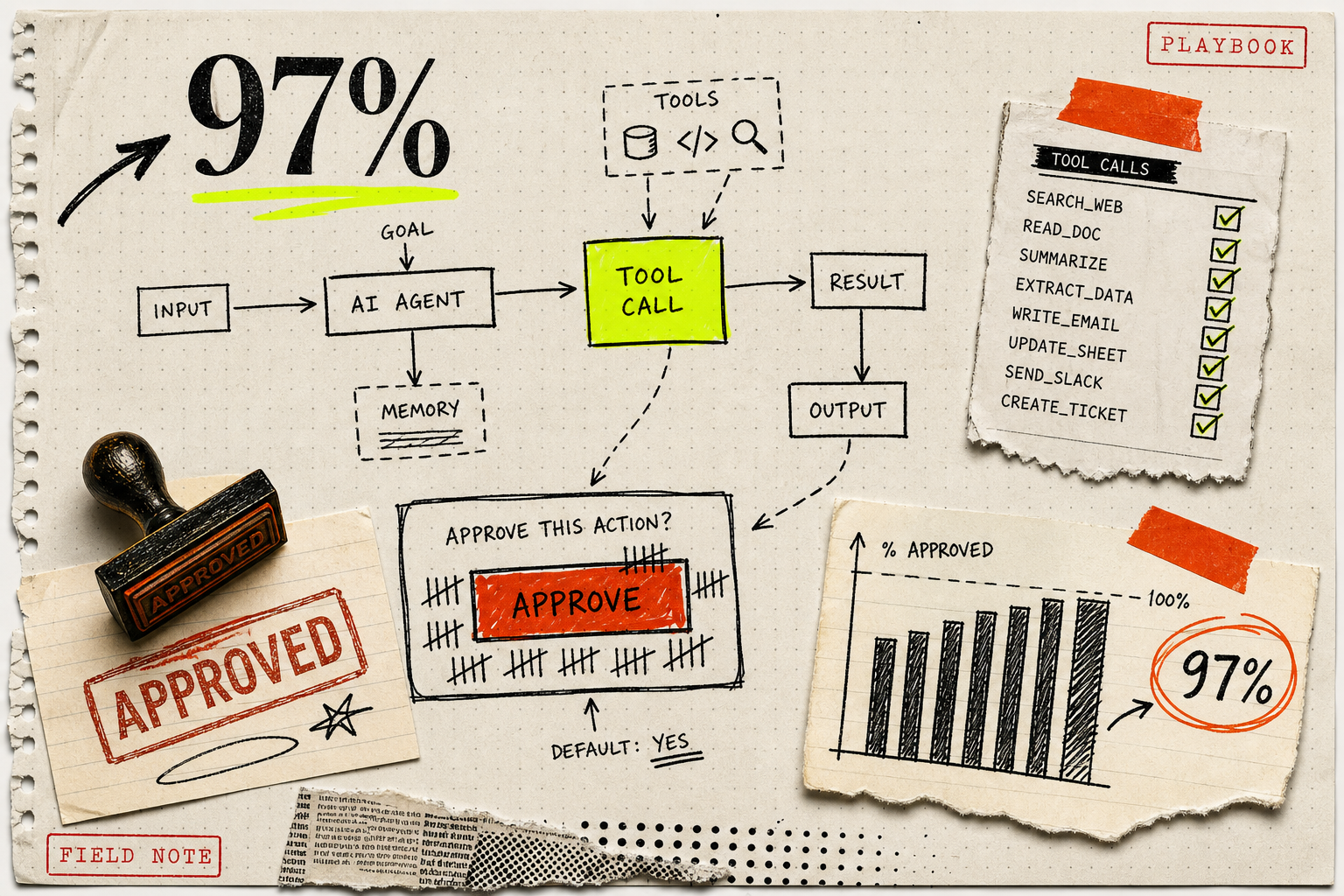
Your Humans Approve 97% Of What The AI Does. That's Not Oversight.
Anthropic just measured it: developers approve 97% of the permission prompts AI agents ask them. Here's how to build oversight that actually works.
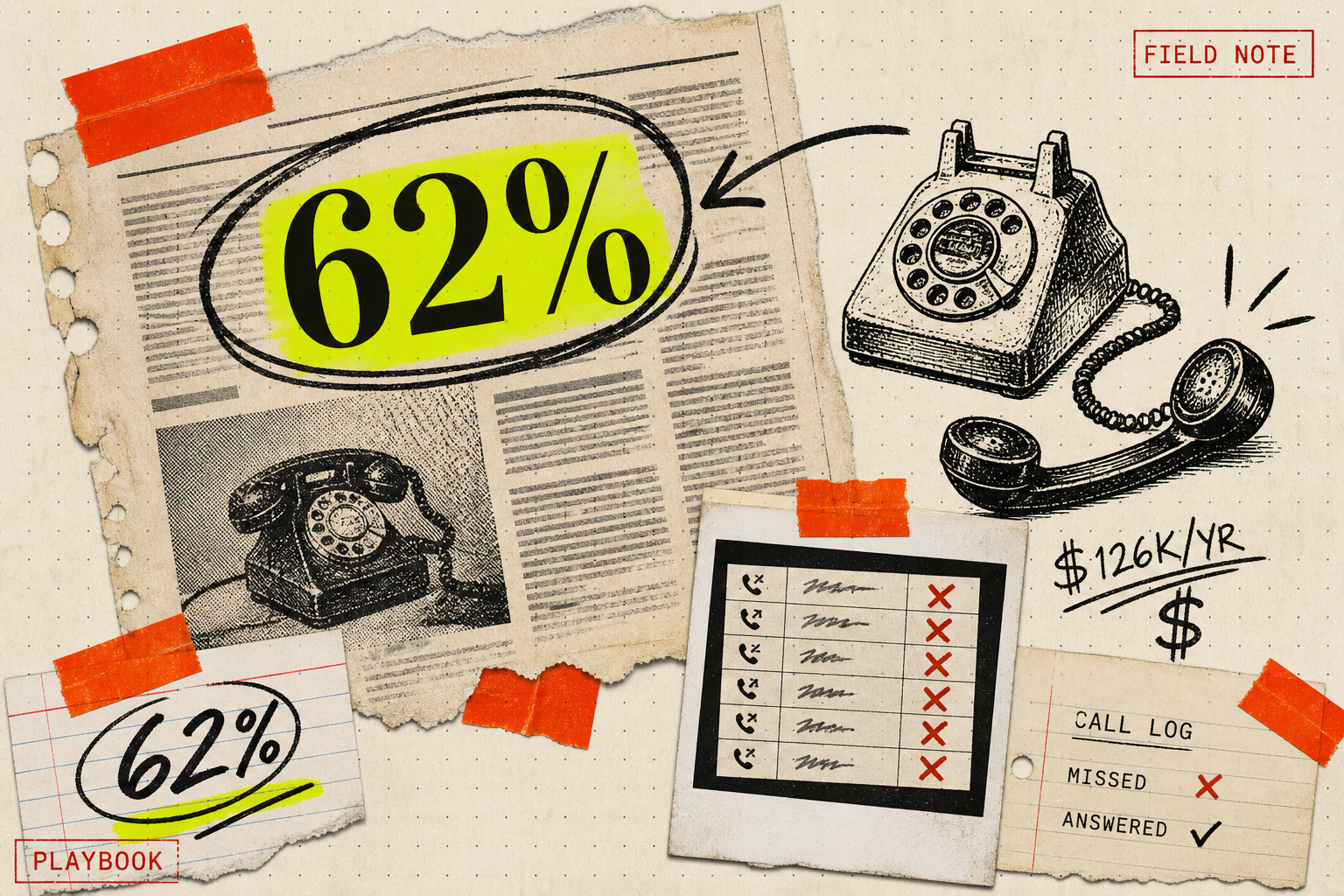
Your Business Misses 62% Of Its Phone Calls. Here's The Fix.
Small businesses miss 62% of inbound calls — a $126K/year leak on average. Here's the AI voice receptionist stack that plugs it, with real costs and a rollout plan.